Kitchen Fire Systems in Goodyear, AZ That Stop Grease Fires at the Source
Kitchen fire systems protect commercial cooking operations from the fast-spreading grease fires that start on fryers, griddles, ranges, and charbroilers. Metro Valley Fire installs, inspects, and services kitchen fire systems in Goodyear, AZ for restaurants, food trucks, school cafeterias, hotels, senior living communities, and any commercial kitchen with a hood. Every kitchen fire suppression system we work on is matched to your cooking line, hood size, and appliance layout, and maintained to meet NFPA 96 and NFPA 17A. When a kitchen fire system activates, it shuts off fuel to the appliances and discharges a wet chemical agent designed specifically to extinguish cooking oil fires.
Schedule a Kitchen Fire System Inspection in Goodyear, AZ
How Kitchen Fire Suppression Systems Work
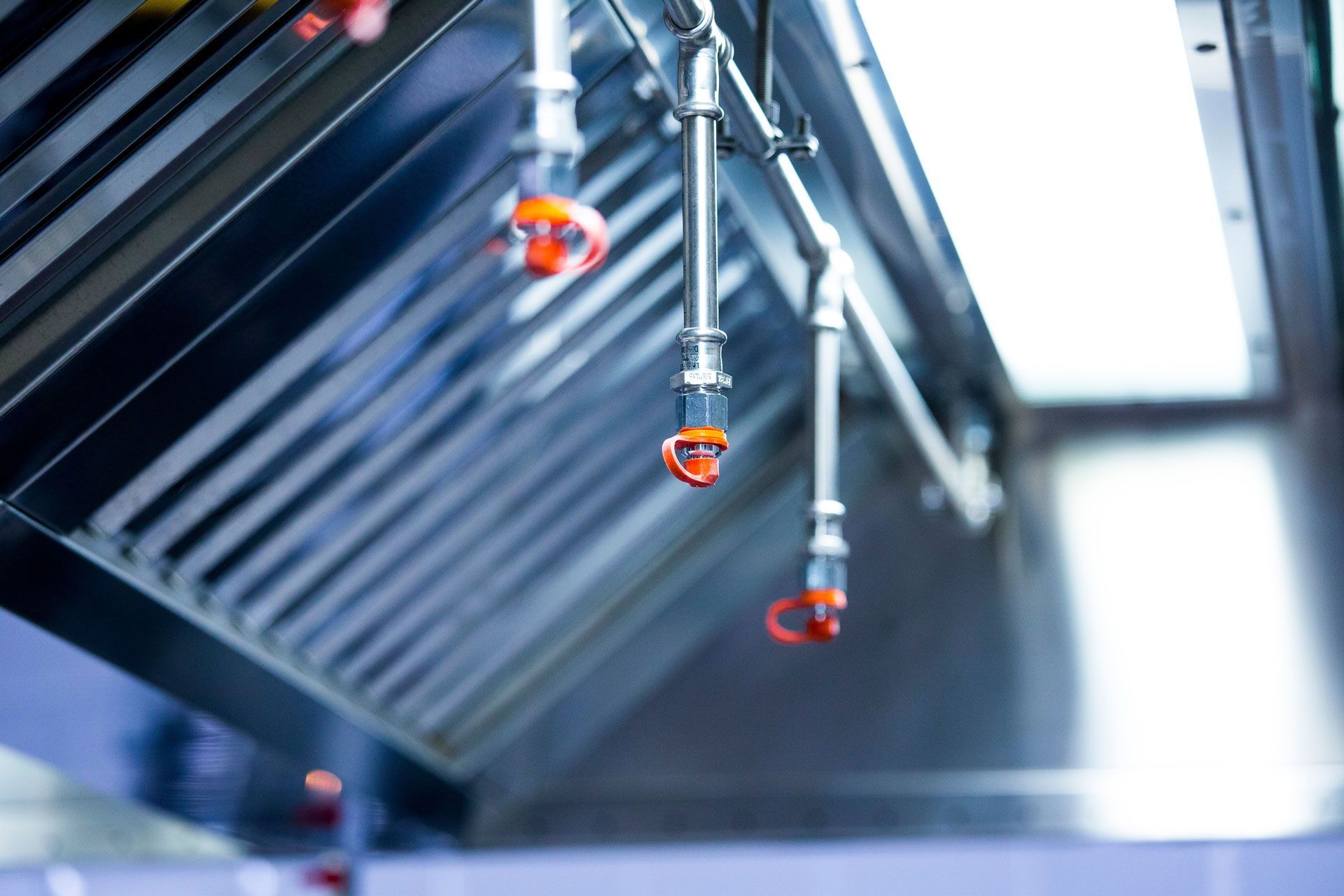
Kitchen fire systems are pre-engineered systems mounted in and above the hood. They are designed for the extreme temperatures and fuels found in commercial cooking, where water alone can make a grease fire worse.
Detection Through Fusible Links
Fusible links hung in the hood and duct melt at a set temperature when a fire occurs. When a link separates, it releases tension on a cable that triggers the kitchen fire system automatically.
Wet Chemical Agent Discharge
Once triggered, the system releases a wet chemical agent through nozzles aimed at each appliance, the hood plenum, and the exhaust duct. The agent reacts with hot grease to form a soapy layer, a process called saponification, that smothers the fire and cools the oil to help prevent reignition.
Automatic Fuel and Power Shutoff
Kitchen fire systems are interlocked with the gas valve or electrical supply to cooking appliances. Shutting off fuel removes the heat source and is a required part of system operation.
Manual Pull Stations
A manual pull station located along the path of egress allows kitchen staff to activate the kitchen fire suppression system immediately if they see a fire before the fusible links react.
UL 300 Compliance and Appliance Coverage
Modern cooking oils burn hotter than the animal fats used decades ago, and many older dry chemical systems could not reliably extinguish them. UL 300 is the testing standard that today's wet chemical kitchen fire systems are designed to meet.
Upgrading Non-Compliant Systems
Restaurants still operating older dry chemical hood systems are often required to upgrade to UL 300 compliant kitchen fire systems by their fire marshal or insurance carrier.
Appliance-Specific Nozzle Placement
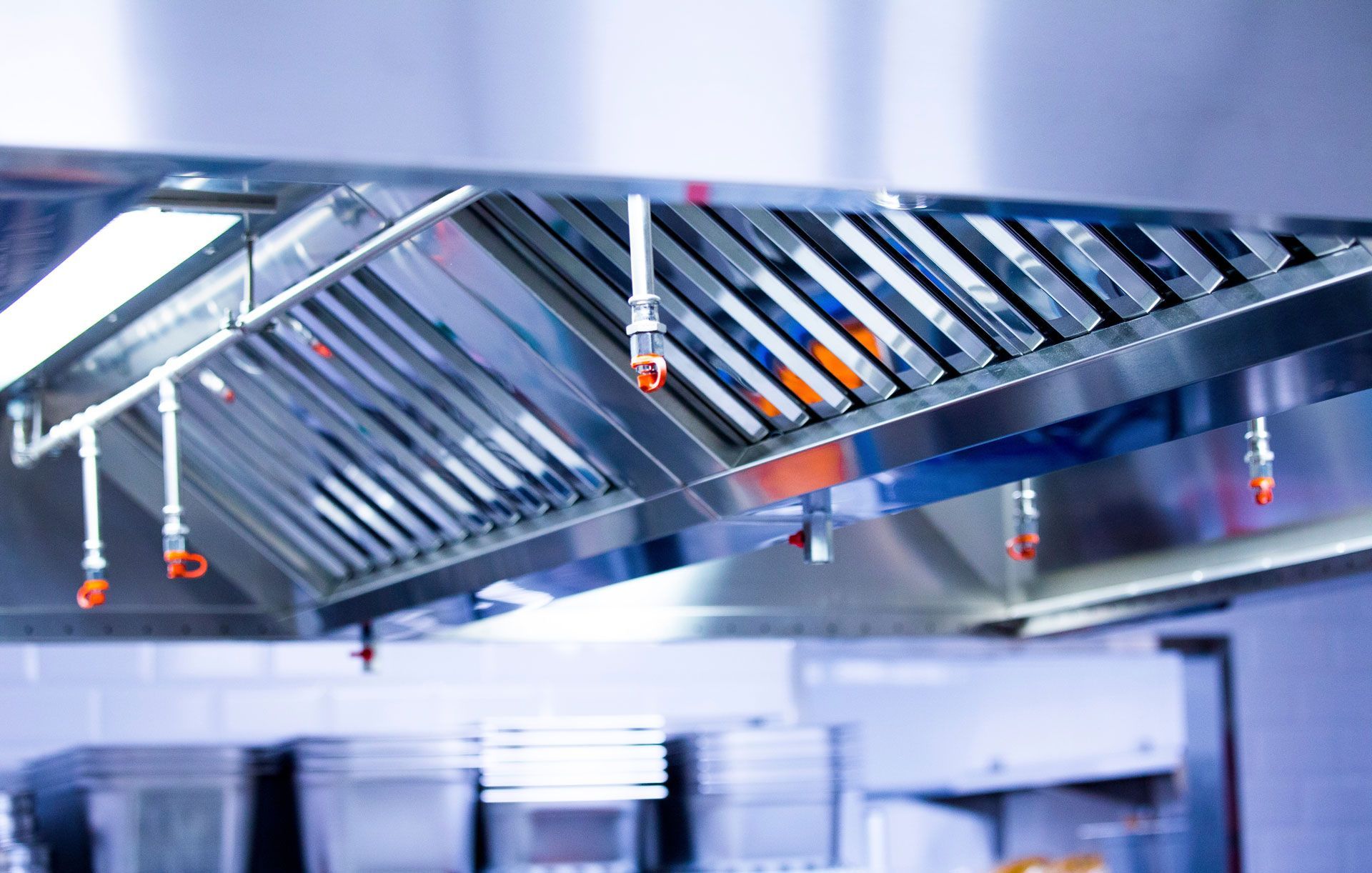
Fryers, woks, griddles, charbroilers, and upright broilers each require specific nozzle types and positions. When a kitchen fire system is installed, coverage is calculated appliance by appliance.
Moving or Adding Cooking Equipment
If you replace a griddle with a fryer, move appliances under the hood, or add a new piece of equipment, the kitchen fire suppression system must be re-evaluated. Nozzles that no longer line up with the cooking surface leave the appliance unprotected.
Request a Kitchen Fire System Installation or Upgrade in Goodyear, AZ
Kitchen Fire System Inspection and Maintenance
NFPA 96 and NFPA 17A require kitchen fire systems to be inspected by a qualified technician every six months. These semiannual inspections keep the system ready to discharge and documented for the fire marshal and insurance provider.
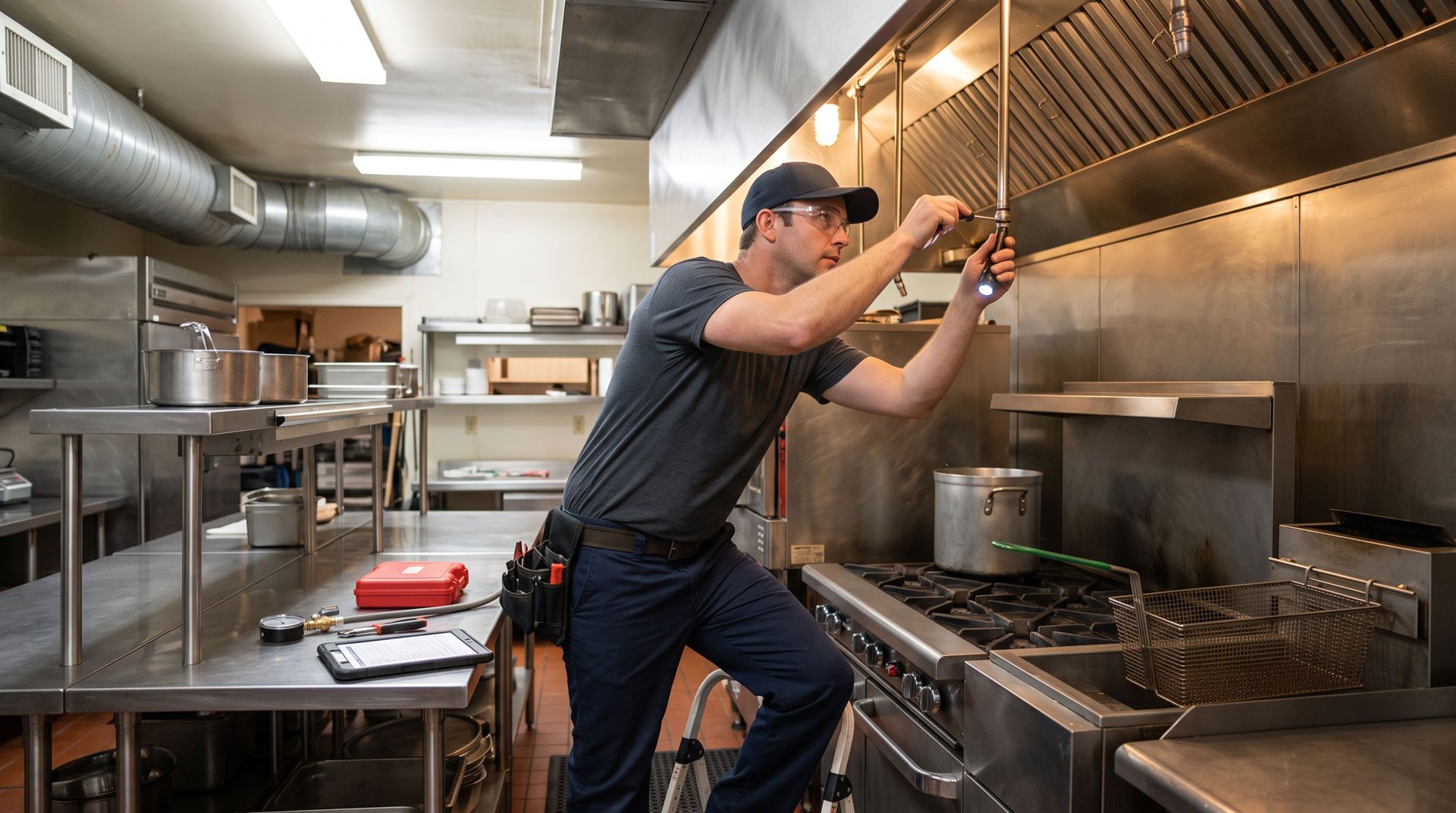
Semiannual Inspection Checklist
During each inspection, we check cylinder pressure, nozzle placement and caps, detection line operation, the manual pull station, gas shutoff operation, and the condition of piping and brackets throughout the kitchen fire system.
Fusible Link Replacement
Grease buildup and constant heat degrade fusible links over time. Links are replaced on a set schedule so the kitchen fire suppression system activates at the correct temperature.
Cylinder Hydrostatic Testing
Agent cylinders must be hydrostatically tested at the intervals required by the manufacturer and NFPA standards to confirm they can safely hold pressure.
Inspection Tags and Records
After each service, the kitchen fire system receives an updated inspection tag, and a written report is provided for your records.
Kitchen Fire Systems for Goodyear Food Service Operations
Goodyear's growing restaurant scene, retail centers, schools, and hospitality businesses all rely on properly maintained kitchen fire systems.
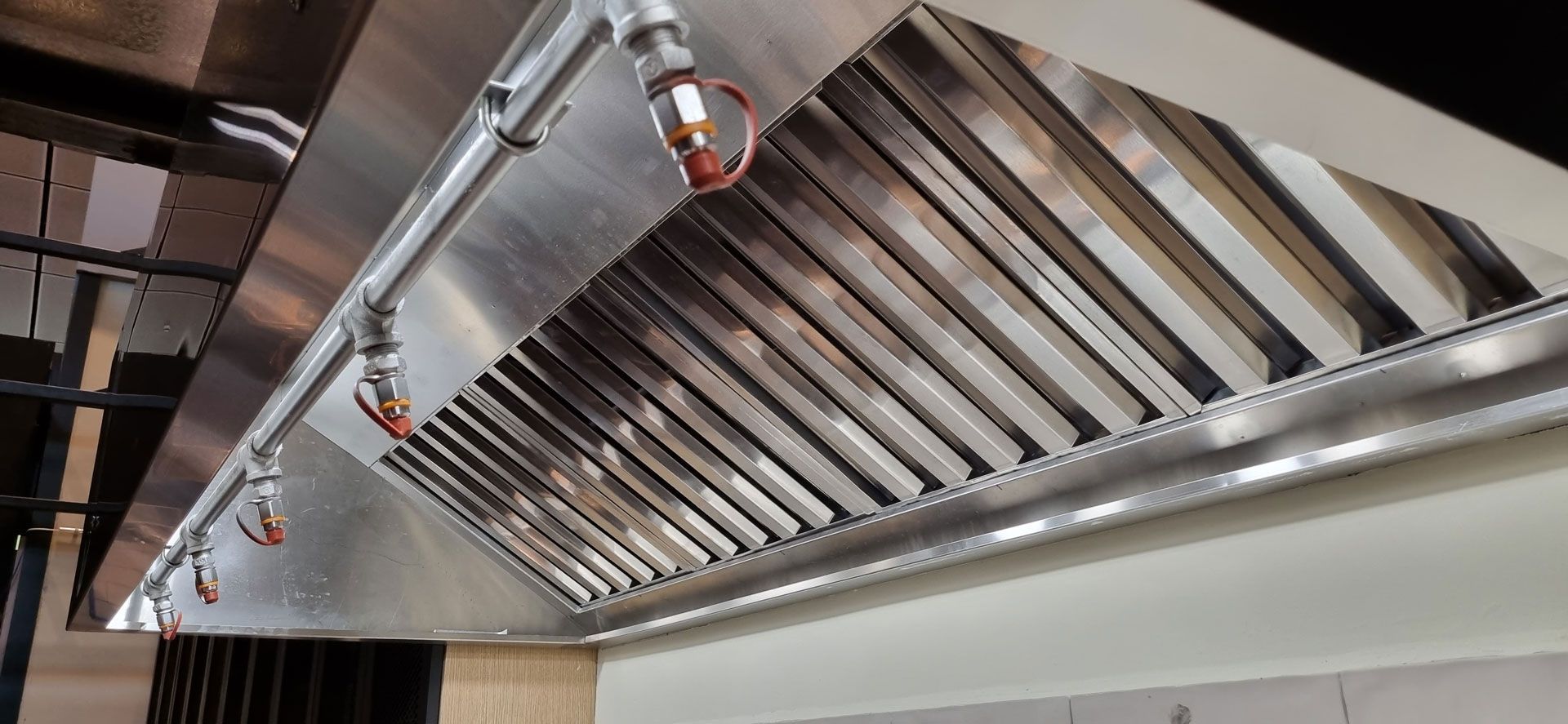
Restaurants and Quick-Service Kitchens
High-volume fryers and grills create constant grease vapor. Restaurants need kitchen fire systems sized for the full cooking line and inspected on schedule.
Food Trucks and Mobile Kitchens
Mobile kitchens face vibration, tight spaces, and summer heat in the West Valley. Food truck kitchen fire suppression systems must be securely mounted and inspected regularly to pass fire department permitting.
Institutional and Commercial Kitchens
Schools, hospitals, senior living facilities, and hotel kitchens often run large hood lines with multiple appliance types, requiring kitchen fire systems with multiple cylinders and detailed coverage planning.
Class K Fire Extinguishers
Kitchen fire systems work alongside a Class K portable extinguisher, which is required near commercial cooking appliances for small fires and as backup protection.
Contact Metro Valley Fire for Kitchen Fire System Service in Goodyear, AZ
Frequently Asked Questions About Kitchen Fire Systems in Goodyear, AZ
How often do kitchen fire systems need to be inspected?
NFPA 96 and NFPA 17A require commercial kitchen fire systems to be inspected every six months by a qualified technician.
What is a UL 300 kitchen fire suppression system?
UL 300 is the testing standard for fire suppression systems protecting commercial cooking equipment. UL 300 compliant systems use wet chemical agents proven to extinguish fires involving modern high-temperature cooking oils.
Can I use water on a grease fire?
No. Water can cause burning oil to splatter violently and spread the fire. Kitchen fire systems use wet chemical agents, and staff should use a Class K extinguisher.
What happens after a kitchen fire system discharges?
The system must be cleaned, recharged, and reset by a qualified technician. Fusible links are replaced and the gas shutoff is reset before cooking resumes.
Does every restaurant need a kitchen fire system?
Commercial cooking operations that produce grease-laden vapors and require a Type I hood generally must have an approved kitchen fire suppression system.
Does a kitchen fire system shut off the gas?
Yes. Kitchen fire systems are required to shut off fuel or power to the protected cooking appliances when the system activates.
What is the difference between hood cleaning and a kitchen fire system inspection?
Hood cleaning removes grease from the hood, duct, and exhaust fan. A kitchen fire system inspection tests the suppression equipment. Both are required, on separate schedules.
Do I need to update my kitchen fire system if I change appliances?
Yes. Changing, adding, or moving appliances under the hood requires the kitchen fire system to be evaluated, and nozzles may need to be relocated or added.
How long does a kitchen fire system installation take?
Most single-hood installations can be completed in a day, while larger kitchens with multiple hoods may take longer. Work is often scheduled outside business hours to avoid downtime.
Do food trucks need kitchen fire suppression systems?
Food trucks with cooking equipment that produces grease vapors typically require a kitchen fire suppression system and regular inspections to obtain fire department permits.
What is saponification?
Saponification is the chemical reaction between the wet chemical agent and hot cooking oil that forms a foam-like layer, smothering the fire and helping prevent reignition.
