Fire Sprinkler Systems in Goodyear, AZ That Stop Fires Before They Spread
Fire sprinkler systems are the most reliable way to control a fire in its earliest minutes, often before the fire department arrives. Metro Valley Fire designs, installs, inspects, and repairs fire sprinkler systems in Goodyear, AZ for commercial buildings, warehouses, multifamily communities, restaurants, and homes. Each fire sprinkler system we work on is built around your building's occupancy, layout, water supply, and the fire code requirements enforced in Goodyear and the surrounding West Valley. Whether you are planning new construction, finishing a tenant space, or keeping an existing system compliant, our team handles the work from plan review through final acceptance testing.
Schedule a Fire Sprinkler System Consultation in Goodyear, AZ with Metro Valley Fire Today
How Fire Sprinkler Systems Work in Goodyear Buildings
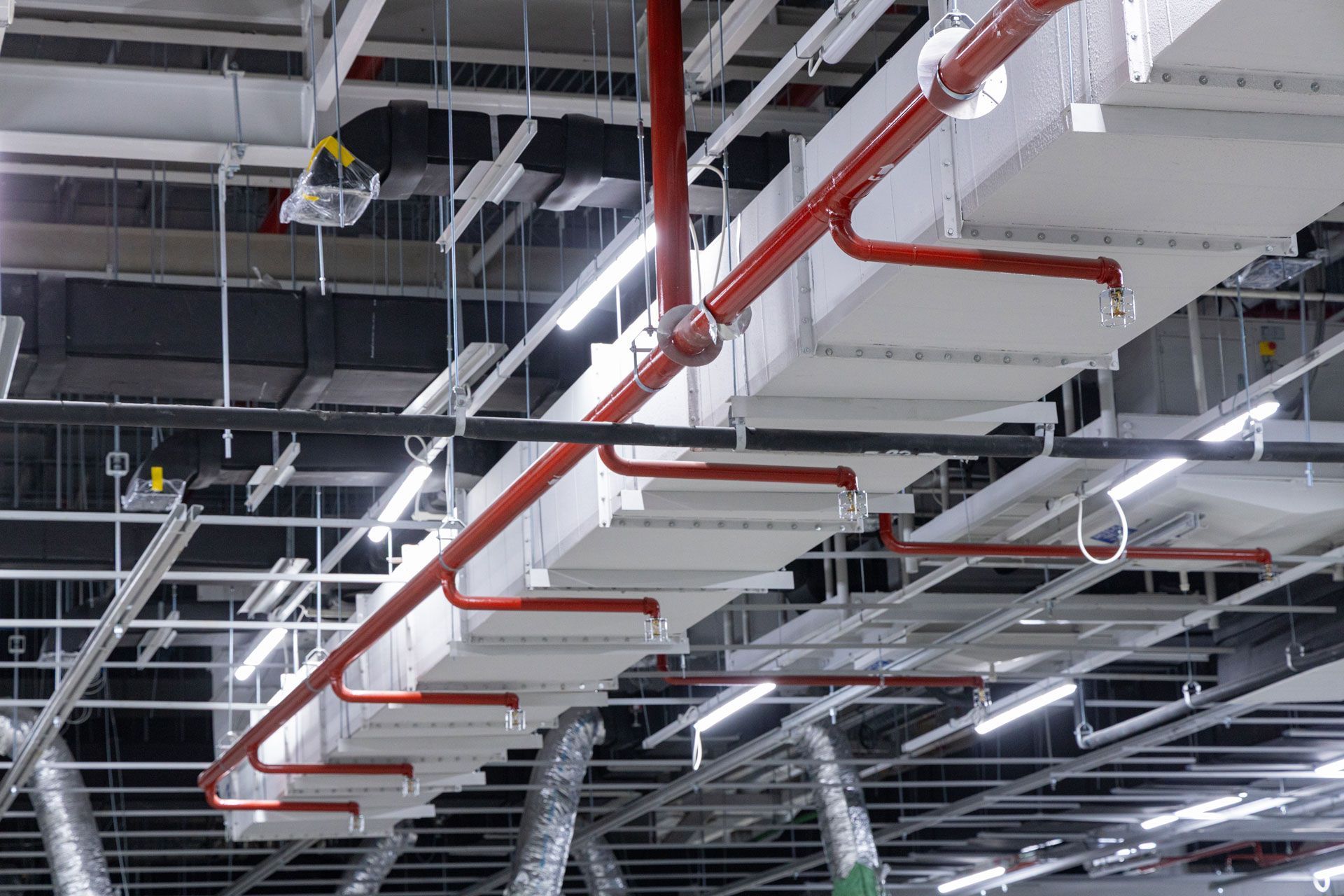
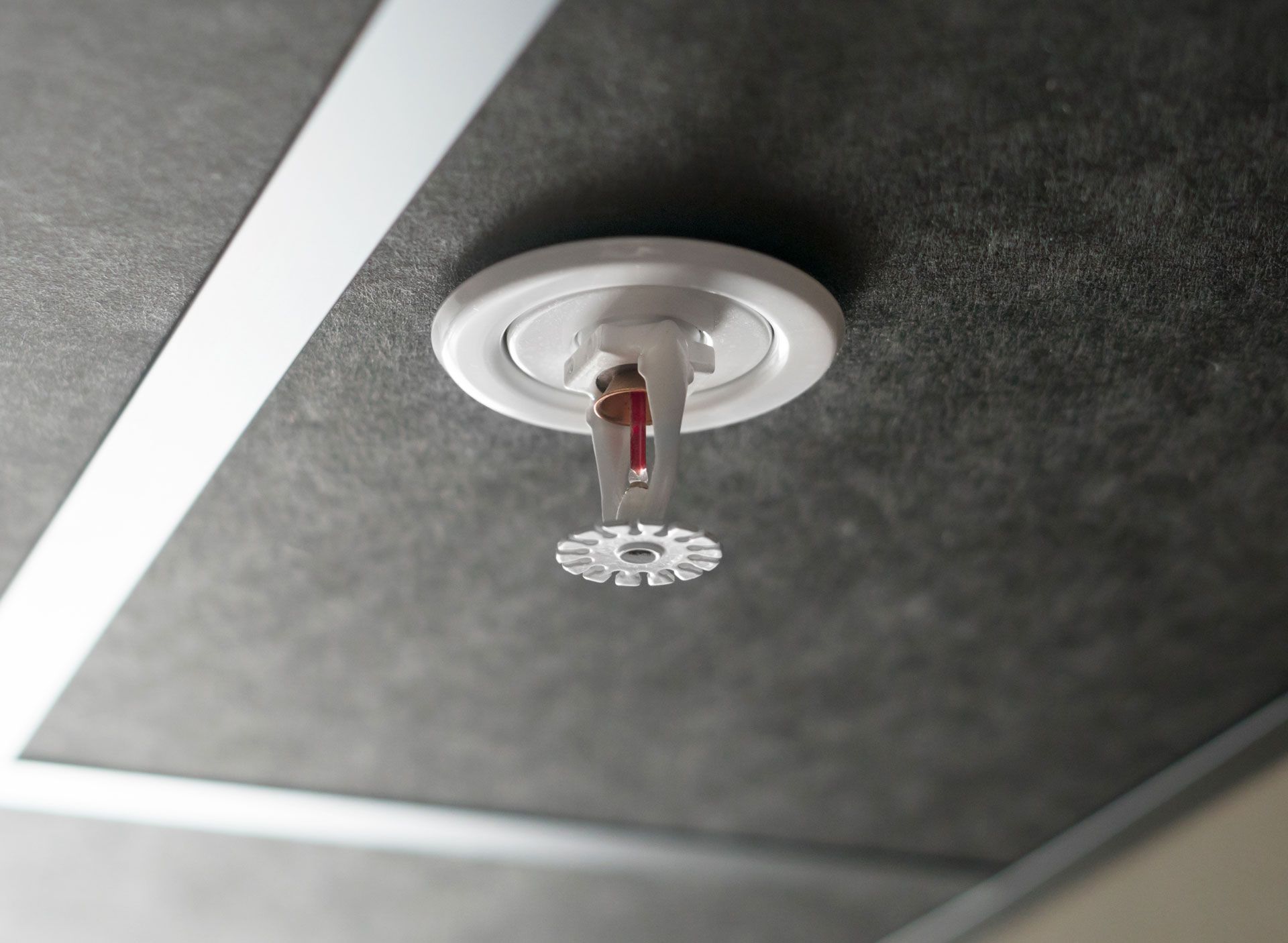
A fire sprinkler system is a network of water-filled or air-filled piping connected to a dedicated water supply, with individual sprinkler heads placed throughout a building. Each head contains a heat-sensitive element, usually a glass bulb or fusible link, that activates when the air around it reaches a set temperature. Only the heads exposed to that heat open, which means most fires are controlled by one or two sprinklers rather than the entire building being soaked. The type of fire sprinkler system your property needs depends on how the space is used and the conditions it faces.
Wet Pipe Fire Sprinkler Systems
Wet pipe fire sprinkler systems keep water in the piping at all times, so water discharges the instant a head activates. Because freezing is rarely a concern in Goodyear, wet pipe systems are the most common choice for offices, retail centers, apartments, schools, and homes throughout the West Valley. They are also the simplest to maintain and the most cost-effective to install.
Dry Pipe Fire Sprinkler Systems
Dry pipe systems hold pressurized air or nitrogen in the piping instead of water. When a head opens, the air releases, a valve trips, and water flows into the pipes. These fire sprinkler systems are used in refrigerated storage, freezer rooms, and other spaces where water-filled pipes could freeze.
Pre-Action Fire Sprinkler Systems
Pre-action systems require a separate detection event, such as a smoke or heat detector, before water is allowed into the piping. Data centers, server rooms, museums, and records storage often use pre-action fire sprinkler systems to reduce the risk of accidental water damage to sensitive equipment.
Deluge Fire Sprinkler Systems
Deluge systems use open sprinkler heads, so every head discharges at once when the system is triggered. They are reserved for high-hazard areas where a fire could spread extremely fast, such as certain industrial processes and fuel handling areas.
Fire Sprinkler System Design and Installation in Goodyear
A properly performing fire sprinkler system starts with accurate design. Metro Valley Fire plans each installation around NFPA standards, the adopted fire code, and the specific hazards inside your building.

Hydraulic Calculations and Water Supply Analysis
Every fire sprinkler system has to deliver enough water at enough pressure to the most demanding area of the building. We evaluate available water supply data, pipe sizing, and head spacing so the system performs as designed during an actual fire, not just on paper.
Applying the Right NFPA Standard
NFPA 13 governs fire sprinkler systems in commercial and most mixed-use buildings, NFPA 13R applies to many low-rise residential occupancies such as apartments, and NFPA 13D covers one- and two-family homes. Choosing the correct standard affects coverage requirements, pipe materials, and overall project cost.
Plan Submittal and Permitting
Before installation begins, fire sprinkler system plans must be reviewed and approved by the local authority having jurisdiction. We prepare and submit drawings, respond to plan review comments, and coordinate inspections so your project schedule stays on track.
Installation and Acceptance Testing
Our technicians install piping, risers, valves, sprinkler heads, and fire department connections according to the approved plans. Once complete, the fire sprinkler system undergoes hydrostatic testing, flow testing, and alarm verification in front of the fire marshal before it is placed into service.
Request a Fire Sprinkler System Design and Installation Quote in Goodyear, AZ
Fire Sprinkler System Inspection, Testing, and Maintenance
Installing a fire sprinkler system is only the first step. NFPA 25 sets the schedule for inspecting, testing, and maintaining water-based fire protection systems, and property owners are responsible for keeping those records current.
Quarterly and Annual Inspections
Routine inspections confirm that control valves are open, gauges show normal pressure, alarm devices function, and sprinkler heads are free from damage, paint, or obstructions. Annual inspections include a more thorough review of the full fire sprinkler system, including main drain tests and waterflow alarm tests.
Five-Year Internal Pipe Assessments
Every five years, NFPA 25 calls for an internal assessment of piping to check for corrosion, scale, and debris. Goodyear's hard water can contribute to mineral buildup over time, making these assessments an important part of keeping fire sprinkler systems flowing properly.
Sprinkler Head Replacement and Sampling
Sprinkler heads do not last forever. Standard heads must be sampled and tested at 50 years, fast-response heads at 20 years, and any head that is corroded, loaded with debris, or painted over must be replaced. We track these milestones so your fire sprinkler system stays compliant.
Backflow Preventer Testing
Most fire sprinkler systems connect to the public water supply through a backflow prevention assembly. These devices are typically required to be tested annually to protect drinking water from contamination, and we handle testing alongside your sprinkler inspections.
Fire Sprinkler System Repairs and Retrofits
Even well-maintained fire sprinkler systems need repairs over time. Metro Valley Fire responds to deficiencies found during inspections as well as unexpected problems.
Leak Detection and Pipe Repair
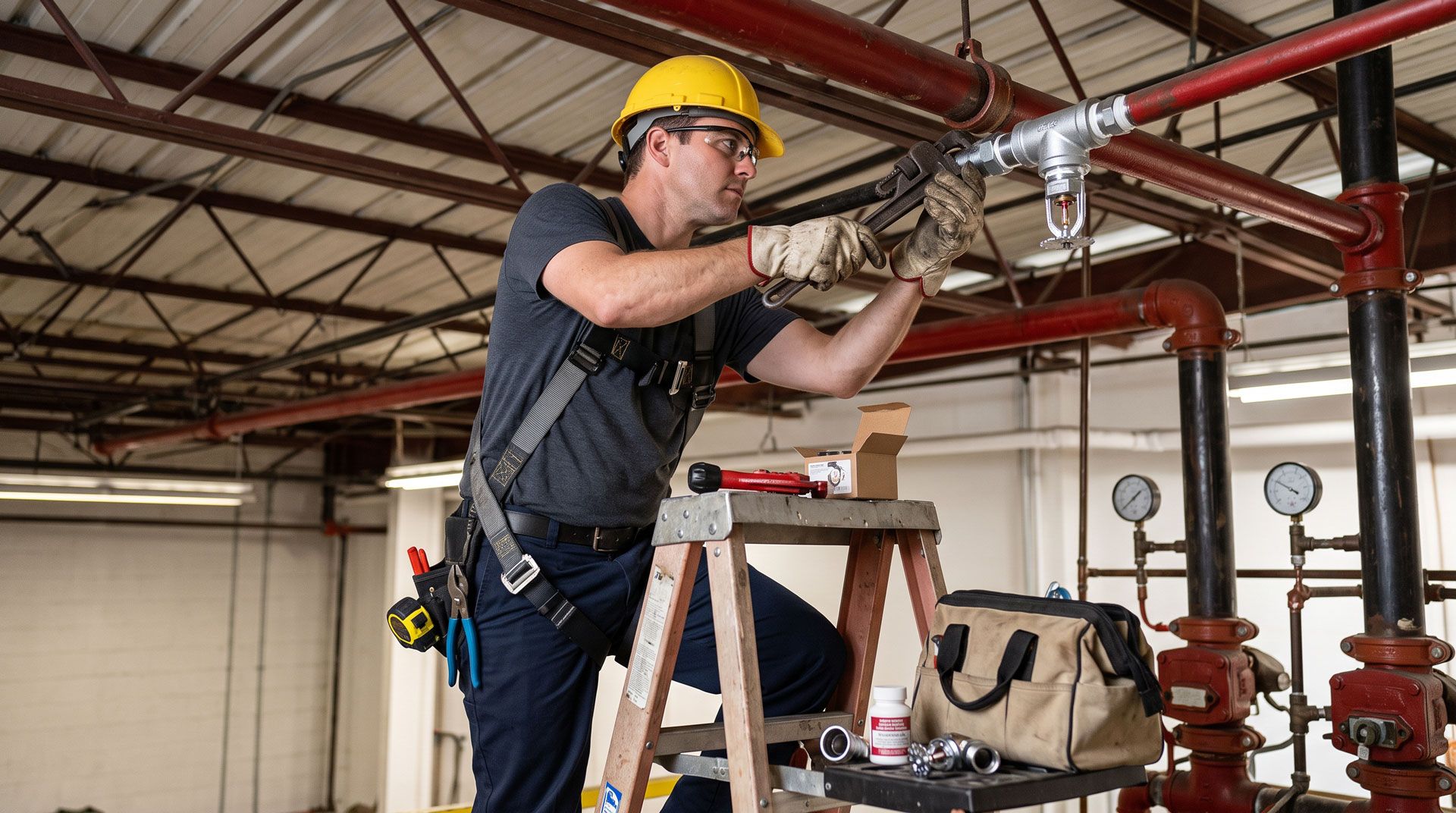
Pinhole leaks, corroded fittings, and damaged pipes can lead to water damage and impaired protection. We locate the source, isolate the affected zone, and restore the fire sprinkler system to full service as quickly as possible.
Valve and Riser Repairs
Control valves, check valves, alarm valves, and pressure gauges wear out. Repairing or replacing these components keeps the fire sprinkler system responsive and allows inspections to pass.
Tenant Improvement Modifications
When a commercial space is remodeled, walls move, ceilings change height, and new hazards may be introduced. Existing fire sprinkler systems must be modified to maintain proper coverage, and we handle the redesign, permitting, and relocation of heads and piping.
Heat Considerations for Arizona Attics and Rooftops
Attics, mechanical rooms, and spaces beneath metal roofs in Goodyear can reach extreme summer temperatures. Fire sprinkler systems in these areas may require intermediate or high-temperature-rated heads so they do not activate from ambient heat alone.
Fire Sprinkler Systems for Commercial, Industrial, and Residential Properties
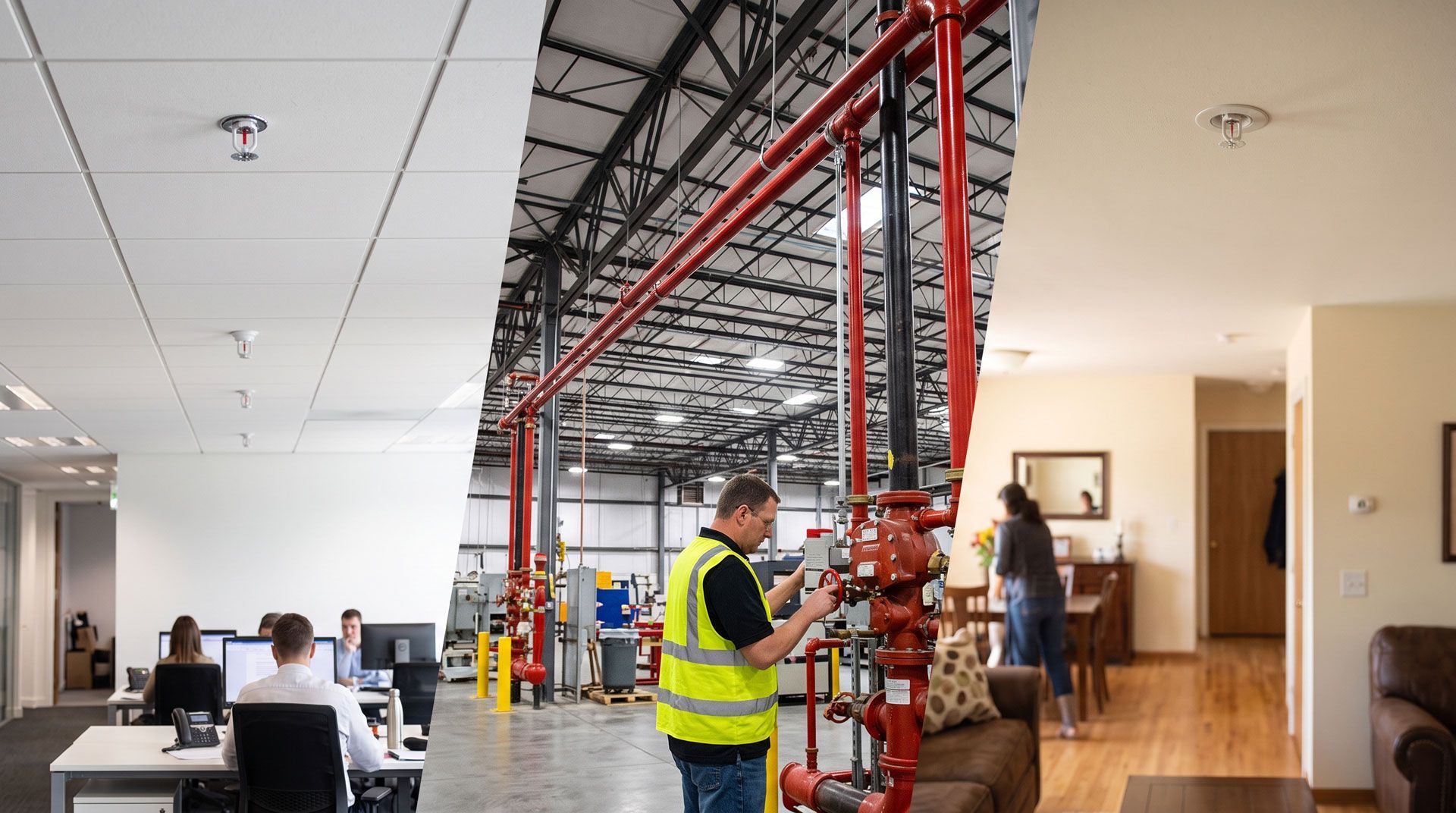
Goodyear's growth along the I-10 corridor has brought large distribution centers, manufacturing plants, new apartment communities, and expanding retail centers. Each property type places different demands on a fire sprinkler system.
Warehouses and Distribution Centers
High-piled storage, tall rack systems, and plastic commodities create challenging fire conditions. These facilities often require ESFR (Early Suppression Fast Response) heads or in-rack sprinklers designed for the specific storage arrangement and ceiling height.
Multifamily and Senior Living Communities
Apartments, townhomes, and assisted living facilities rely on fire sprinkler systems to give residents time to evacuate safely. NFPA 13R systems are common in these buildings, with coverage tailored to living units, corridors, and common areas.
Restaurants and Retail Spaces
Retail storage rooms, dining areas, and back-of-house spaces each have their own hazard classification. Fire sprinkler systems in these properties are coordinated with kitchen hood suppression and the building's fire alarm system.
Single-Family Homes
Residential fire sprinkler systems designed to NFPA 13D use smaller pipe and fewer heads than commercial systems, and they can be installed during new construction or added during major renovations.
Contact Metro Valley Fire for Fire Sprinkler System Service in Goodyear, AZ
Frequently Asked Questions About Fire Sprinkler Systems in Goodyear, AZ
How do fire sprinkler systems know when to activate?
Each sprinkler head has a heat-sensitive glass bulb or fusible link that breaks when the surrounding air reaches its rated temperature, commonly around 135°F to 165°F for standard heads. Smoke alone does not activate a head. Only the heads exposed to enough heat will open.
Do all the sprinklers go off at once during a fire?
No. In wet pipe, dry pipe, and pre-action fire sprinkler systems, heads activate individually. Most fires are controlled by one or two heads. Only deluge systems, used in specialized high-hazard areas, discharge from every head at the same time.
How often do fire sprinkler systems need to be inspected?
NFPA 25 requires certain components to be inspected monthly or quarterly, with full system inspections and testing performed annually. Internal pipe assessments are required every five years. Your local fire marshal or insurance provider may have additional requirements.
What type of fire sprinkler system is best for buildings in Goodyear, AZ?
Wet pipe fire sprinkler systems are the most common choice in Goodyear because freezing is rarely a concern. Dry pipe or pre-action systems are used in freezers, cold storage, data centers, and spaces where accidental discharge would damage valuable equipment.
How long does it take to install a fire sprinkler system?
Installation time depends on the size of the building and the type of system. A small commercial tenant space may take a few days, while a large warehouse or new apartment complex can take several weeks. Design, plan review, and permitting should also be factored into the overall timeline.
Can a fire sprinkler system be added to an existing building?
Yes. Retrofitting fire sprinkler systems into existing buildings is common, especially during renovations, changes in occupancy, or when required by code or insurance. Piping can often be routed through ceilings and concealed with soffits or finish work.
How much water damage do fire sprinklers cause?
A single sprinkler head typically discharges a fraction of the water a fire hose uses. Because sprinklers control fires early and only the affected heads open, total water damage is usually far less than the combined fire and water damage of a fire left to grow until firefighters arrive.
How long do fire sprinkler heads last?
Standard-response sprinkler heads must be sampled and tested at 50 years, and fast-response heads at 20 years. Any head that is painted, corroded, leaking, or physically damaged must be replaced right away, regardless of age.
Does Goodyear's hard water affect fire sprinkler systems?
Hard water can contribute to scale and mineral deposits inside piping over time. This is one reason the five-year internal pipe assessment required by NFPA 25 matters for fire sprinkler systems in the West Valley.
What is the difference between NFPA 13, 13R, and 13D?
NFPA 13 covers fire sprinkler systems for commercial and most other occupancies and provides the most complete protection. NFPA 13R applies to many low-rise residential buildings like apartments, and NFPA 13D applies to one- and two-family homes and manufactured homes.
Do I need a permit to modify my fire sprinkler system?
In most cases, yes. Adding, relocating, or removing sprinkler heads during a remodel typically requires updated plans, a permit, and an inspection from the authority having jurisdiction before the modified system is placed back into service.
What should I do if my fire sprinkler system is leaking?
Contact a licensed fire protection contractor immediately. Do not shut off the system's main control valve unless directed, since that leaves the entire building unprotected. If the system must be taken out of service, the fire department and monitoring company should be notified, and a fire watch may be required until repairs are complete.
