Fire Pumps in Goodyear, AZ Built to Deliver Pressure When Your Sprinklers Need It
Fire pumps boost water pressure for sprinkler systems and standpipes when the municipal water supply cannot deliver enough pressure on its own. Large warehouses, high-piled storage facilities, multi-story buildings, and industrial plants in Goodyear often depend on fire pumps to meet the hydraulic demands of their fire protection systems. Metro Valley Fire installs, tests, maintains, and repairs fire pumps in Goodyear, AZ in accordance with NFPA 20 and NFPA 25. Because a fire pump only runs during testing or an actual fire, regular testing is the only way to know it will start and perform when needed.
Schedule a Fire Pump Test or Inspection in Goodyear, AZ
When a Building Needs Fire Pumps
Fire pumps are added when the available water supply cannot meet the pressure and flow required by the sprinkler or standpipe design.
High-Piled Storage and Distribution Centers
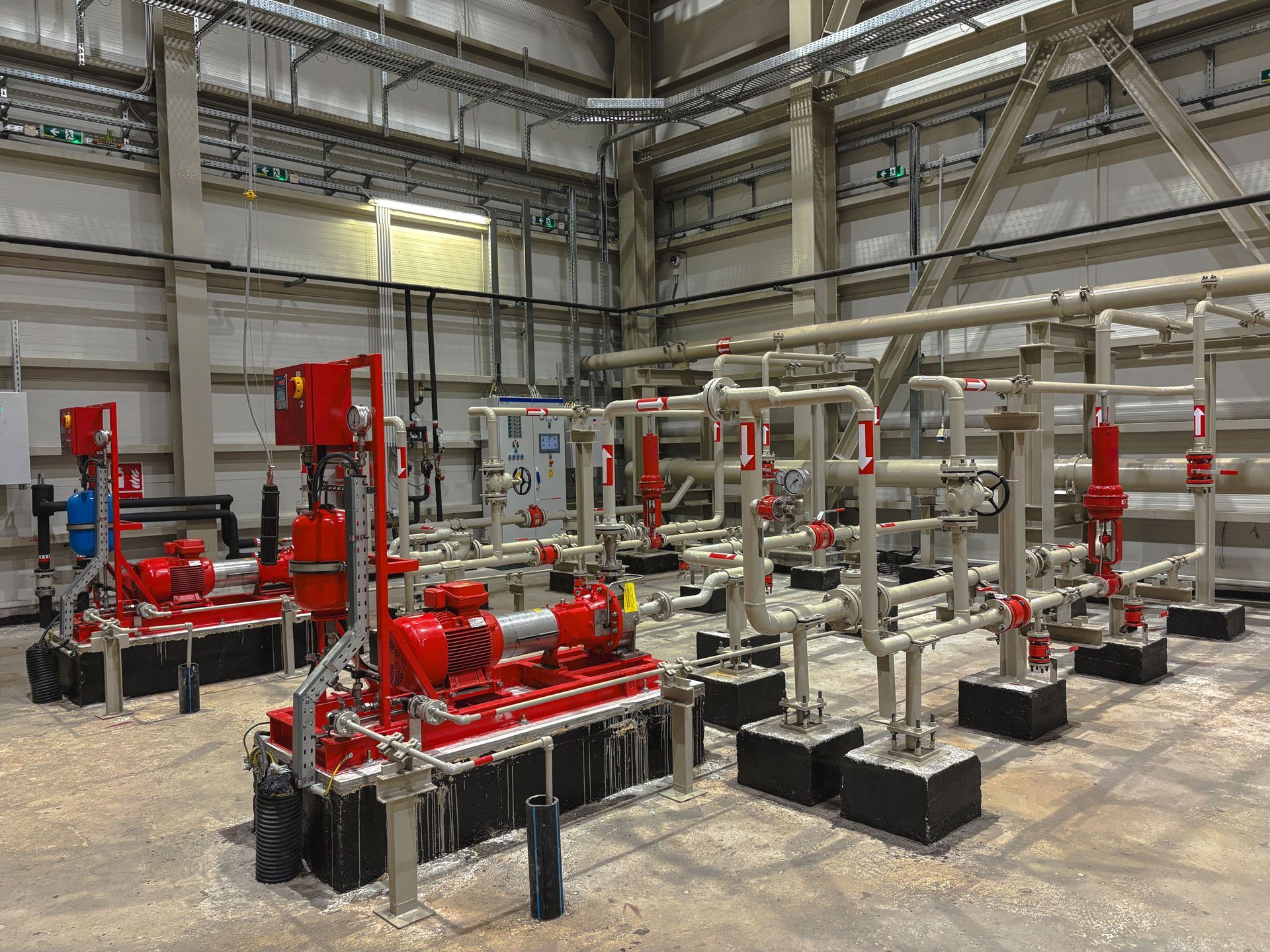
Goodyear's distribution centers often use ESFR sprinklers that require high pressure at the ceiling. Fire pumps make up the difference between street pressure and system demand.
Multi-Story and High-Rise Buildings
Every floor of elevation reduces water pressure. Fire pumps supply standpipes and upper-floor sprinklers in taller buildings.
Limited Municipal Water Supply
Some sites, particularly at the edge of developing areas, have lower available pressure. Fire pumps may be paired with water storage tanks when supply is insufficient.
Types of Fire Pumps and Drivers
The right fire pump depends on water source, required flow, available space, and power reliability.
Horizontal Split-Case Fire Pumps
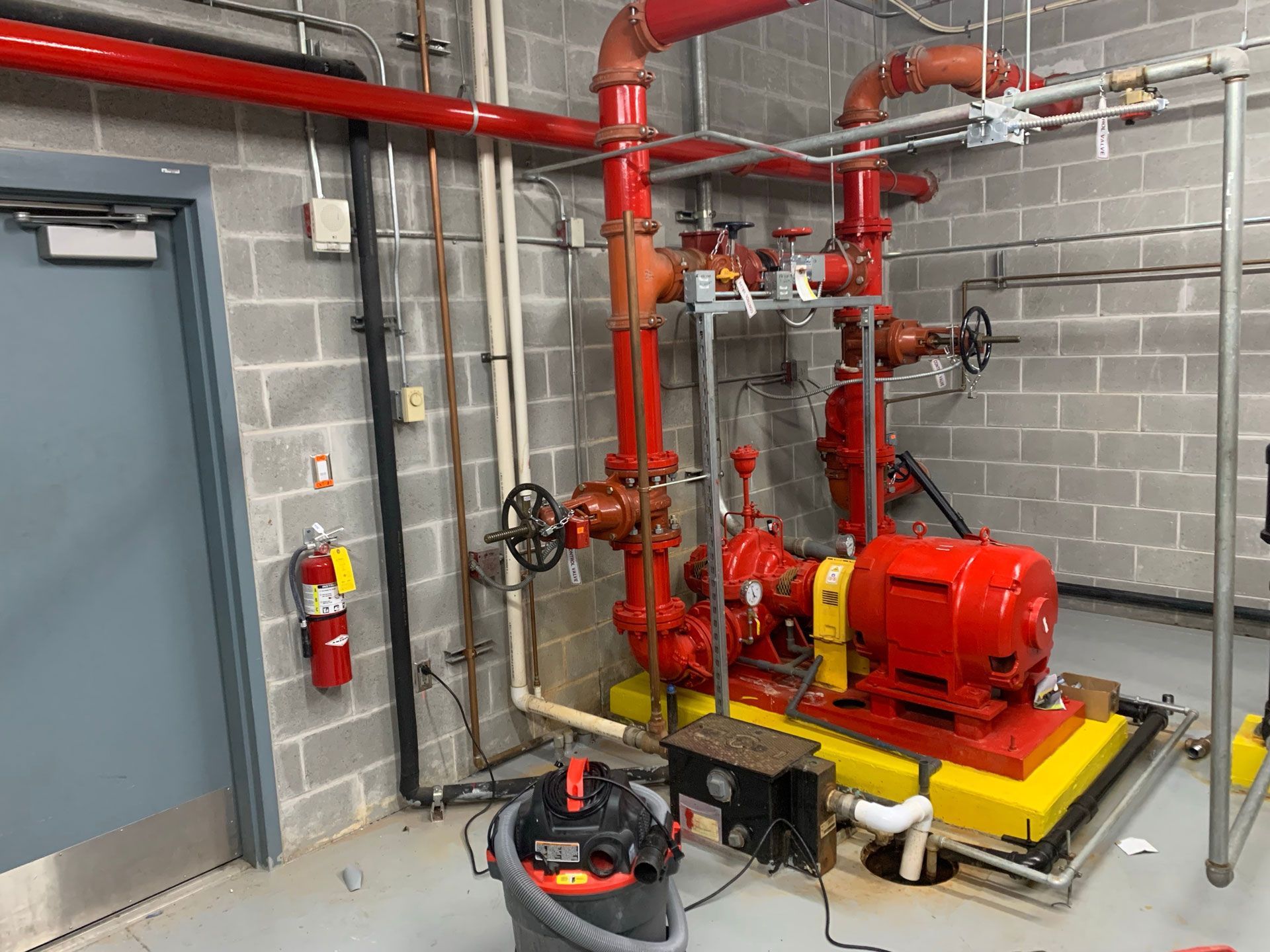
Split-case fire pumps are common in commercial and industrial buildings. Their design allows internal components to be serviced without disconnecting piping.
Vertical Turbine Fire Pumps
Vertical turbine fire pumps draw water from below the pump, such as a tank, reservoir, or well, where water is not supplied under positive pressure.
End Suction and Vertical Inline Fire Pumps
These compact fire pumps are used for lower flow applications and buildings where pump room space is limited.
Electric and Diesel Drivers
Electric fire pumps rely on a reliable power source and often an automatic transfer switch to a backup source. Diesel fire pumps operate independently of utility power and include fuel tanks, batteries, and cooling systems.
Jockey Pumps
A small jockey pump maintains system pressure and makes up minor leaks so the main fire pump does not start unnecessarily.
Request a Fire Pump Installation Quote in Goodyear, AZ from Metro Valley Fire
Fire Pump Installation and Acceptance Testing
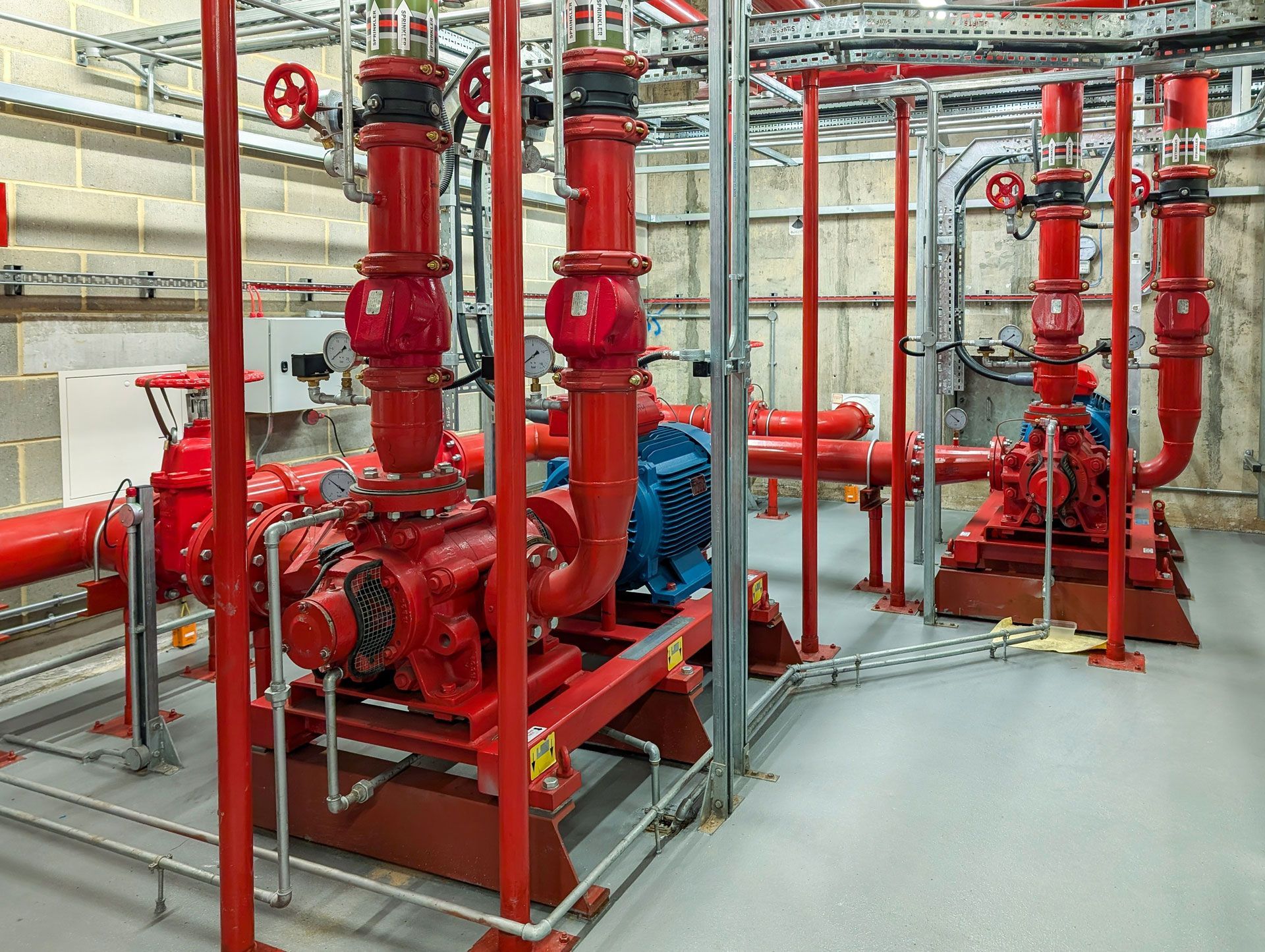
Installing fire pumps involves pump selection, controllers, piping, valves, and the pump room itself.
Sizing and Selection
Fire pumps are selected based on the hydraulic calculations of the sprinkler and standpipe systems they serve, with a rated capacity and pressure that exceed demand.
Pump Room Design
NFPA 20 sets requirements for the pump room, including protection, access, drainage, and temperature. In Goodyear, ventilation and heat management are especially important for diesel fire pumps operating during summer.
Controllers and Transfer Switches
Fire pump controllers start the pump automatically when pressure drops and monitor its condition. They are connected to the fire alarm system for supervisory and running signals.
Acceptance Testing
New fire pumps are flow tested before being placed into service to verify they meet their rated performance curve.
Fire Pump Testing, Maintenance, and Repair
NFPA 25 requires ongoing testing so fire pumps remain ready.
Weekly and Monthly Churn Tests
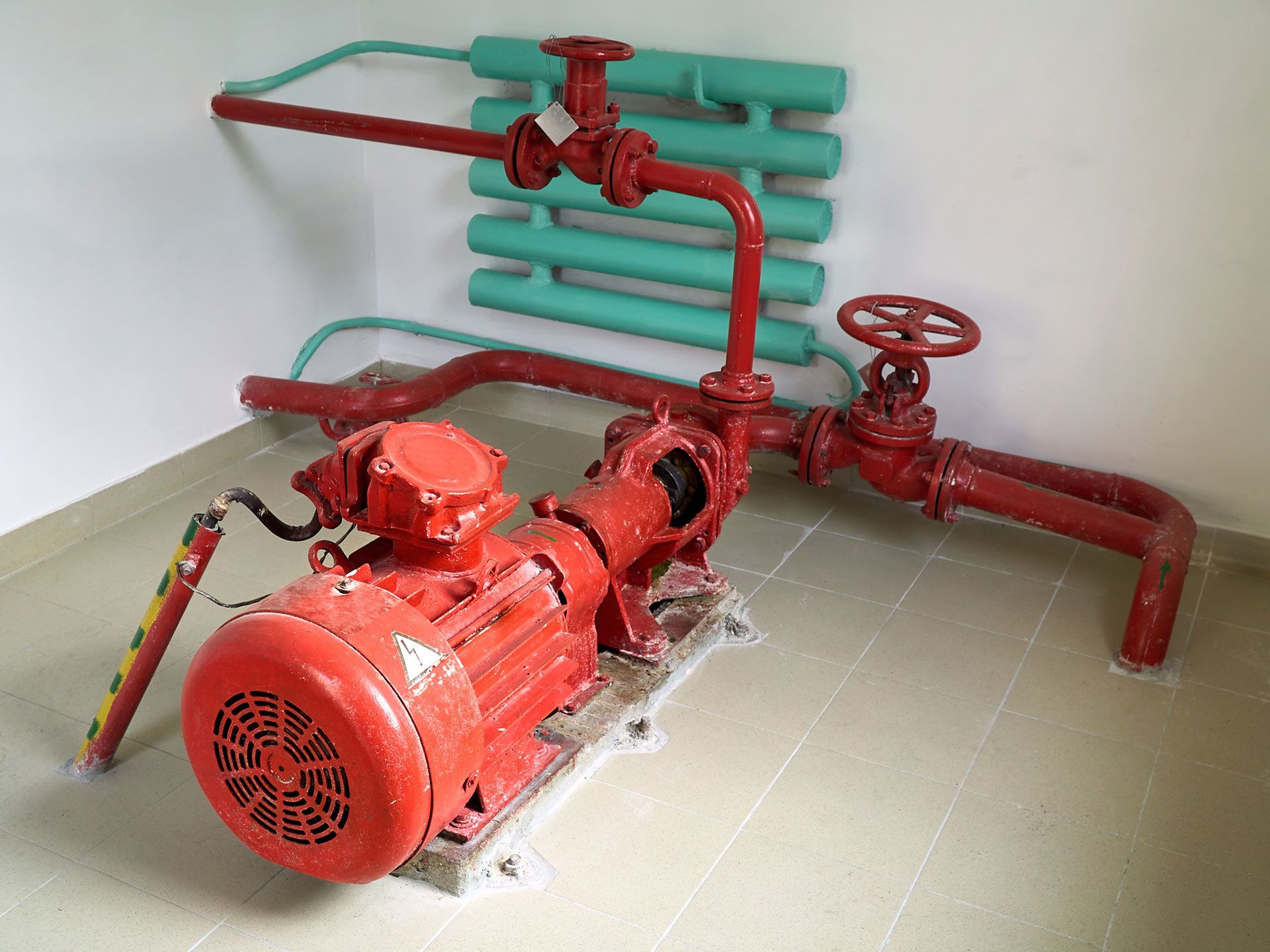
Fire pumps are run without flowing water on a weekly or monthly schedule depending on driver type and code edition, confirming they start automatically and run properly.
Annual Fire Pump Flow Tests
Annual flow tests measure pressure and flow at multiple points and compare results to the original performance curve to detect wear or impeller damage.
Diesel Engine Maintenance
Diesel fire pumps require attention to fuel quality, batteries, belts, coolant, and exhaust. Fuel can degrade over time, especially in high heat.
Common Fire Pump Repairs
Repairs include replacing packing and seals, rebuilding controllers, repairing relief valves, correcting jockey pump short cycling, and replacing worn bearings or impellers.
Contact Metro Valley Fire for Fire Pump Repair and Maintenance in Goodyear, AZ
Frequently Asked Questions About Fire Pumps in Goodyear, AZ
What does a fire pump do?
Fire pumps increase water pressure to sprinkler and standpipe systems when the incoming water supply cannot meet the required pressure.
How often should fire pumps be tested?
NFPA 25 requires fire pumps to be run on a weekly or monthly no-flow test depending on the driver and code edition, plus a full annual flow test.
What is the difference between a fire pump and a jockey pump?
A jockey pump is a small pump that maintains pressure and compensates for minor leaks. The fire pump is the large pump that runs during a fire or test.
Are diesel or electric fire pumps better?
Electric fire pumps cost less to maintain but depend on reliable power. Diesel fire pumps operate without utility power but require fuel, battery, and engine maintenance.
Why does my jockey pump keep cycling?
Frequent cycling usually indicates a leak, incorrect pressure settings, or a faulty check valve.
How long do fire pumps last?
Well-maintained fire pumps can remain in service for decades, though controllers, seals, and diesel components need periodic replacement.
What code governs fire pump installation?
NFPA 20 covers installation of stationary fire pumps. NFPA 25 covers inspection, testing, and maintenance.
Does a fire pump need to be monitored?
Yes. Fire pump running, power failure, and phase reversal conditions are typically monitored by the fire alarm system.
What happens during an annual fire pump flow test?
Water is discharged through test headers or a flow meter while technicians record pressure, flow, speed, and electrical readings, comparing the results to the pump's rated curve.
Can heat affect fire pumps in Arizona?
High pump room temperatures can affect diesel engines, batteries, fuel quality, and controllers. Proper ventilation and cooling help maintain reliability.
Do all sprinkler systems need fire pumps?
No. Fire pumps are only needed when the available water supply cannot meet the pressure and flow demands of the system.
