Industrial Fire Systems in Goodyear, AZ Engineered for High-Hazard Facilities
Industrial fire systems protect facilities where large quantities of stored goods, flammable materials, and specialized processes create fire risks well beyond those of a typical office or retail space. Goodyear's manufacturing plants, distribution centers, aerospace and logistics operations, and processing facilities require fire protection designed around their specific hazards. Metro Valley Fire designs, installs, inspects, and services industrial fire systems in Goodyear, AZ, from high-capacity sprinkler systems to special hazard suppression for equipment, chemicals, and critical operations.
Schedule an Industrial Fire System Assessment in Goodyear, AZ
Industrial Fire Systems for Warehouses and Distribution Centers
Storage facilities along the I-10 corridor hold large volumes of goods stacked high, creating fires that can grow quickly.
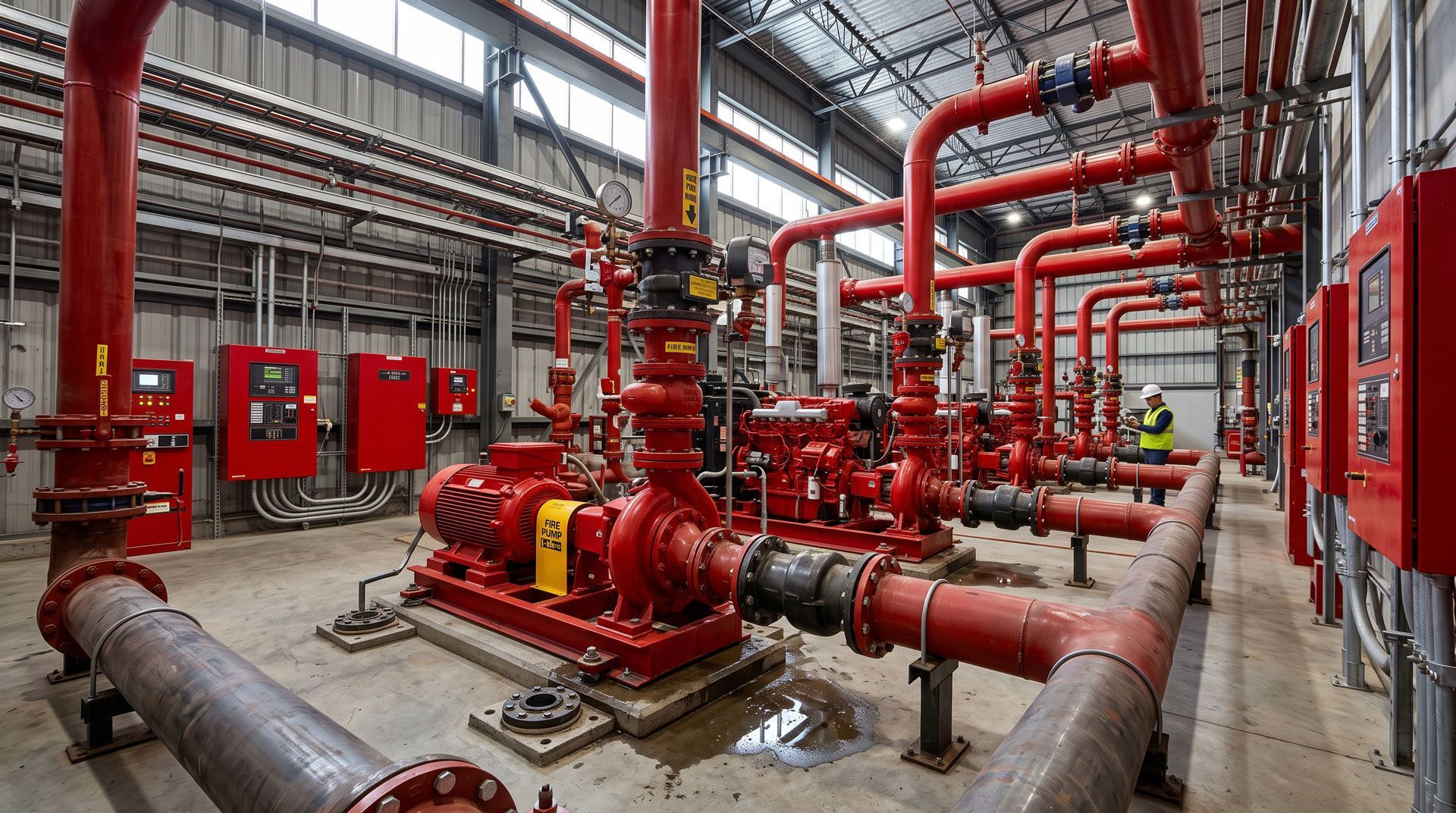
ESFR Sprinkler Systems
Early Suppression Fast Response sprinklers are designed to suppress fires in high-piled storage. Industrial fire systems using ESFR heads require careful attention to ceiling height, storage height, and obstructions.
In-Rack Sprinklers
Where ceiling sprinklers cannot reach fires deep inside storage racks, in-rack sprinklers place protection within the rack structure.
Commodity Classification
The type of goods stored, including plastics, aerosols, and packaging, determines the design of industrial fire systems. A change in commodity may require system modifications.
Special Hazard Industrial Fire Systems
Some industrial hazards cannot be protected by water alone.
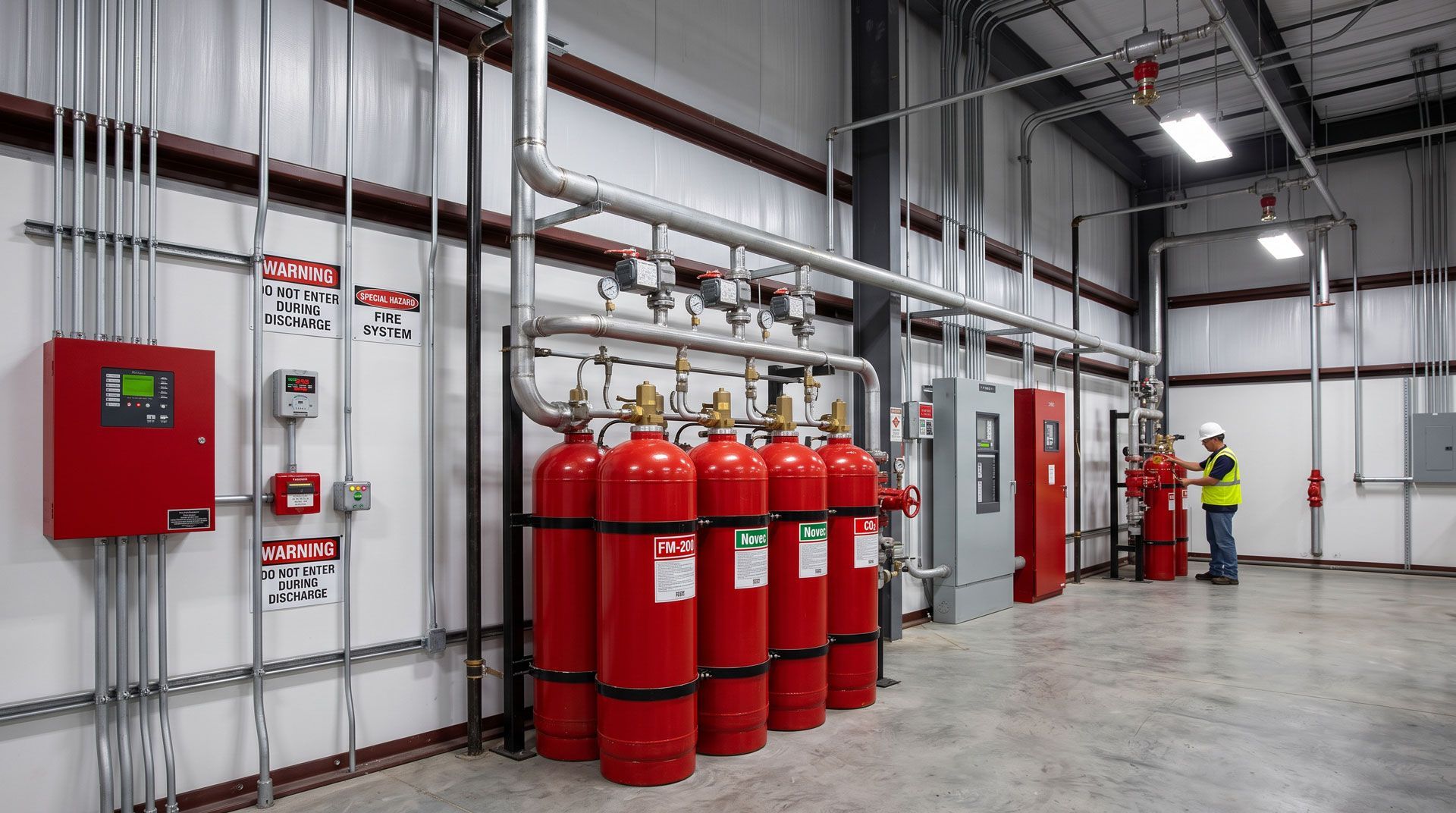
Clean Agent Systems
Clean agent industrial fire systems use gaseous agents that extinguish fires without leaving residue, protecting control rooms, data centers, and electrical equipment.
Foam Suppression Systems
Foam systems protect areas with flammable liquids, such as fuel storage, aircraft hangars, and chemical processing, by smothering the fire and preventing reignition.
Carbon Dioxide Systems
CO2 systems are used in unoccupied hazards like printing presses, dip tanks, and some electrical enclosures.
Deluge and Pre-Action Systems
Deluge systems discharge water from every head at once for rapidly spreading fires. Pre-action systems protect sensitive spaces from accidental discharge.
Request an Industrial Fire System Design Quote in Goodyear, AZ from Metro Valley Fire
Process and Equipment Protection
Industrial fire systems often protect specific machinery and processes.
Spray Booths
Paint and coating spray booths require fire suppression designed for flammable vapors and overspray.
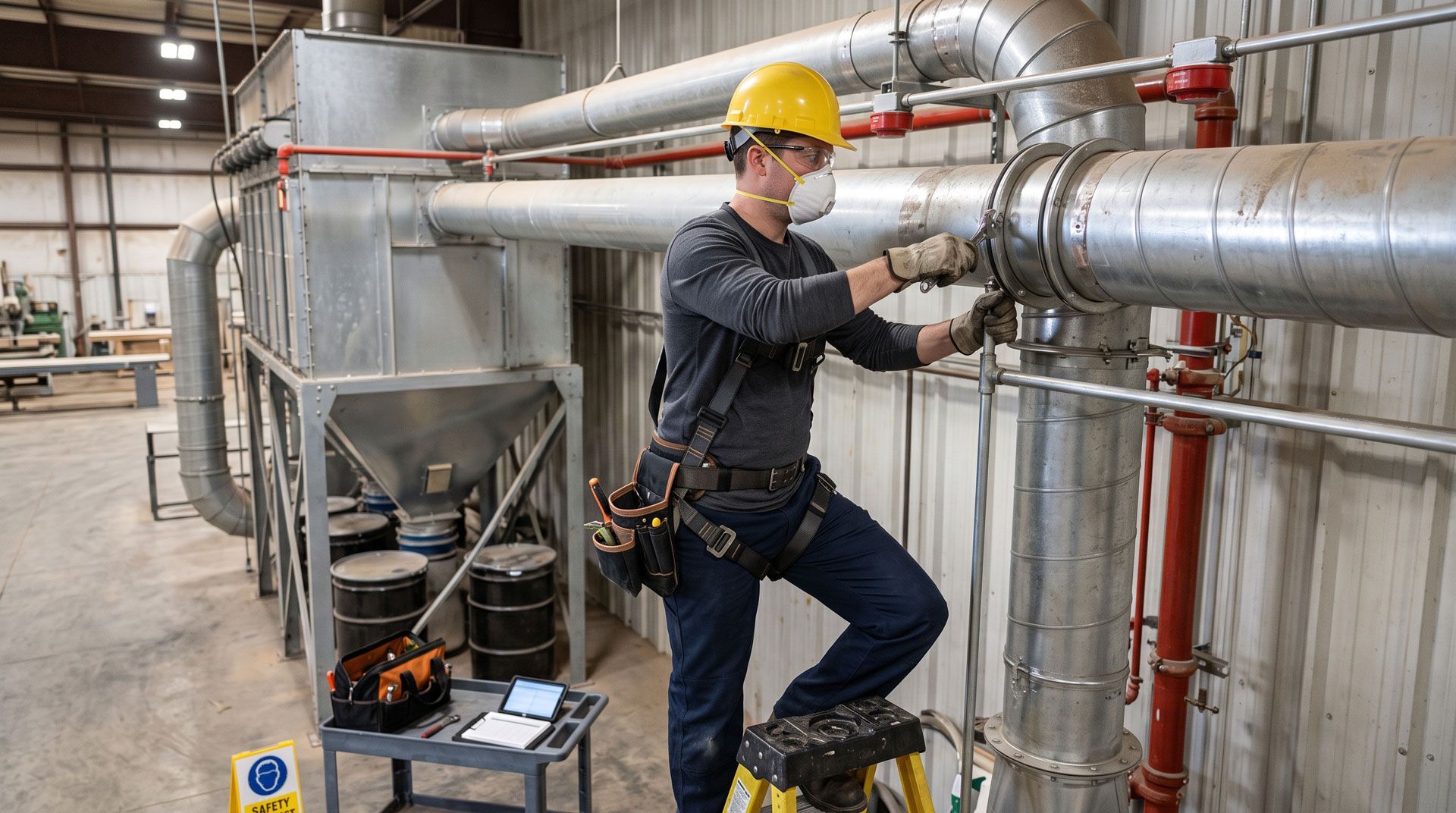
Dust Collection Systems
Combustible dust from woodworking, metalworking, food processing, and plastics manufacturing can create fire and explosion hazards. Fire protection for dust collectors must be planned carefully.
Flammable Liquid Storage Rooms
Rooms storing flammable and combustible liquids need specially designed sprinklers, foam, or other suppression.
Electrical Rooms and Control Centers
Clean agent industrial fire systems protect switchgear and control equipment where water damage would be costly.
Inspection, Testing, and Maintenance for Industrial Fire Systems
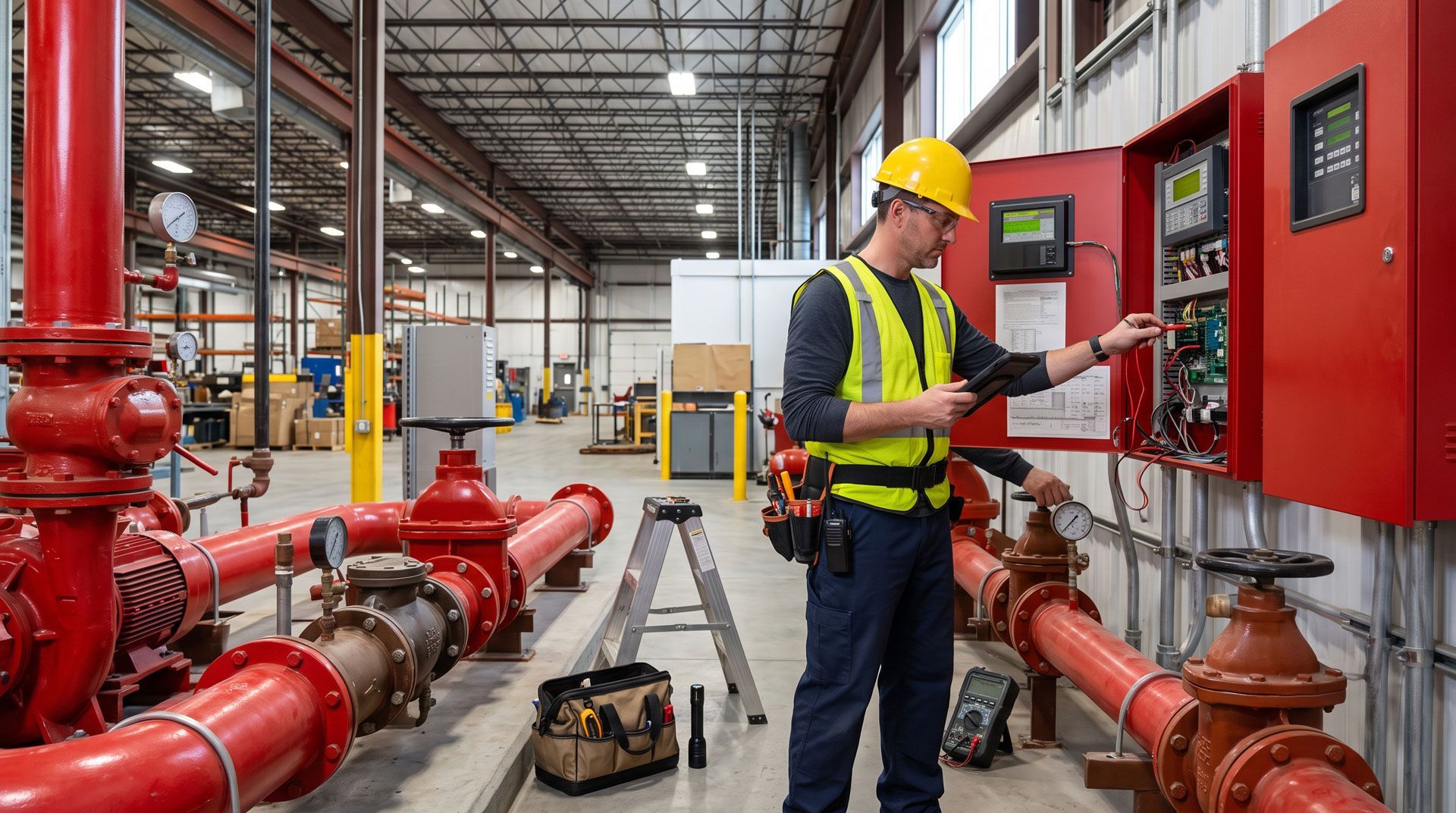
NFPA 25 Sprinkler Inspections
Industrial sprinkler systems require routine inspection, testing, and maintenance under NFPA 25.
Special Hazard System Inspections
Clean agent, foam, and CO2 systems have their own inspection schedules and testing requirements under their respective NFPA standards.
Impairment Management
When industrial fire systems are taken out of service for repairs, impairment procedures and fire watches protect the facility.
Modifications for Facility Changes
New racking, equipment, or process changes may require redesign of industrial fire systems to maintain protection.
Contact Metro Valley Fire for Industrial Fire System Service in Goodyear, AZ
Frequently Asked Questions About Industrial Fire Systems in Goodyear, AZ
What are industrial fire systems?
Industrial fire systems are fire protection systems designed for manufacturing, warehousing, and other high-hazard facilities, including high-capacity sprinklers and special hazard suppression.
What is an ESFR sprinkler?
An ESFR sprinkler is designed to suppress, not just control, fires in high-piled storage by discharging large volumes of water quickly.
When does a facility need a special hazard system?
Special hazard systems are used where water is ineffective or would cause unacceptable damage, such as flammable liquids, electrical equipment, and data centers.
What is a clean agent system?
A clean agent system uses a gaseous agent that extinguishes fire without leaving residue, protecting sensitive equipment.
Do I need to update my sprinkler system if I change what I store?
Yes. Changes in commodity type or storage height can require modifications to industrial fire systems.
How often are industrial fire systems inspected?
Inspection frequency depends on system type. Sprinklers follow NFPA 25, while special hazard systems follow their own standards, often semiannually or annually.
Are foam systems still used?
Yes. Foam systems remain important for flammable liquid hazards, though foam types are evolving as environmental regulations change.
Can industrial fire systems protect combustible dust hazards?
Yes, though combustible dust also requires engineering controls and housekeeping beyond fire suppression.
What is a fire watch?
A fire watch is a trained person patrolling a facility when fire protection systems are impaired.
Do warehouses need fire pumps?
Many large warehouses with ESFR systems require fire pumps to meet pressure demands.
How long does it take to design an industrial fire system?
Design time depends on the facility's size and complexity, ranging from weeks to months for large projects.
