Backflow Prevention in Goodyear, AZ for Fire Sprinkler and Fire Service Lines
Backflow prevention assemblies keep water from fire sprinkler systems and fire service lines from flowing backward into the public drinking water supply. Water sitting in fire sprinkler piping can contain rust, sediment, and treatment chemicals, so a failed backflow preventer can contaminate the water your community drinks. Metro Valley Fire tests, installs, repairs, and replaces backflow devices in Goodyear, AZ for commercial, industrial, and multifamily properties. Annual backflow testing is required by water providers and Arizona rules, and our technicians document every test so your property stays compliant.
Schedule Annual Backflow Testing in Goodyear, AZ
How Backflow Happens in Fire Protection Systems
Backflow occurs when water reverses direction in a piping system. In fire protection, two conditions cause it.
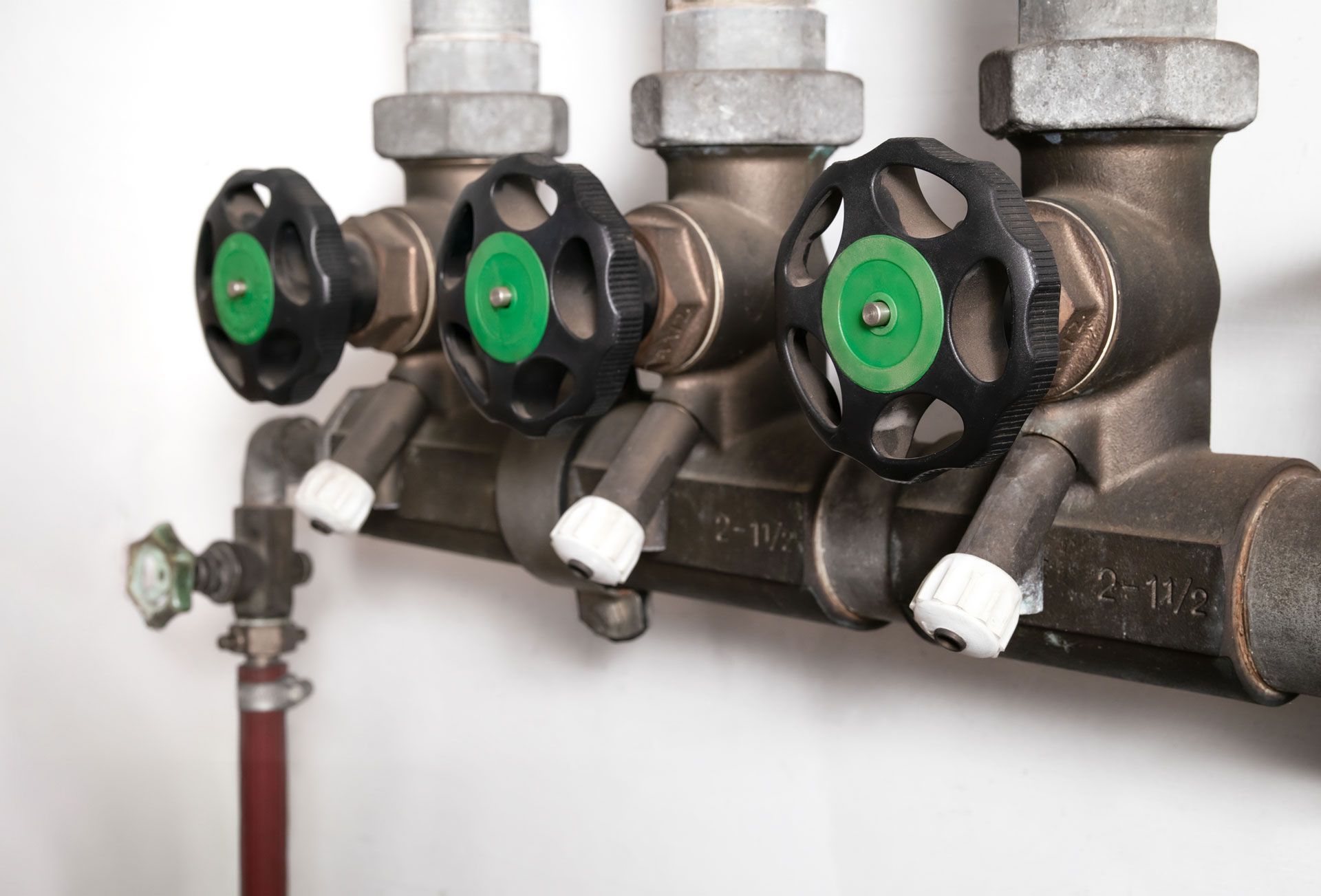
Backpressure
Backpressure happens when pressure in the fire system exceeds the pressure in the water main, such as when a fire pump or fire department connection pumps water into the system.
Backsiphonage
Backsiphonage happens when pressure in the water main drops suddenly, such as during a main break or heavy hydrant use, pulling water backward from the fire system.
Why Fire Line Water Is a Concern
Water in fire lines can sit stagnant for years, collecting sediment, rust, and bacteria. Backflow assemblies keep that water out of the potable supply.
Types of Backflow Preventers for Fire Lines
The right backflow assembly depends on the hazard level of the fire protection system.
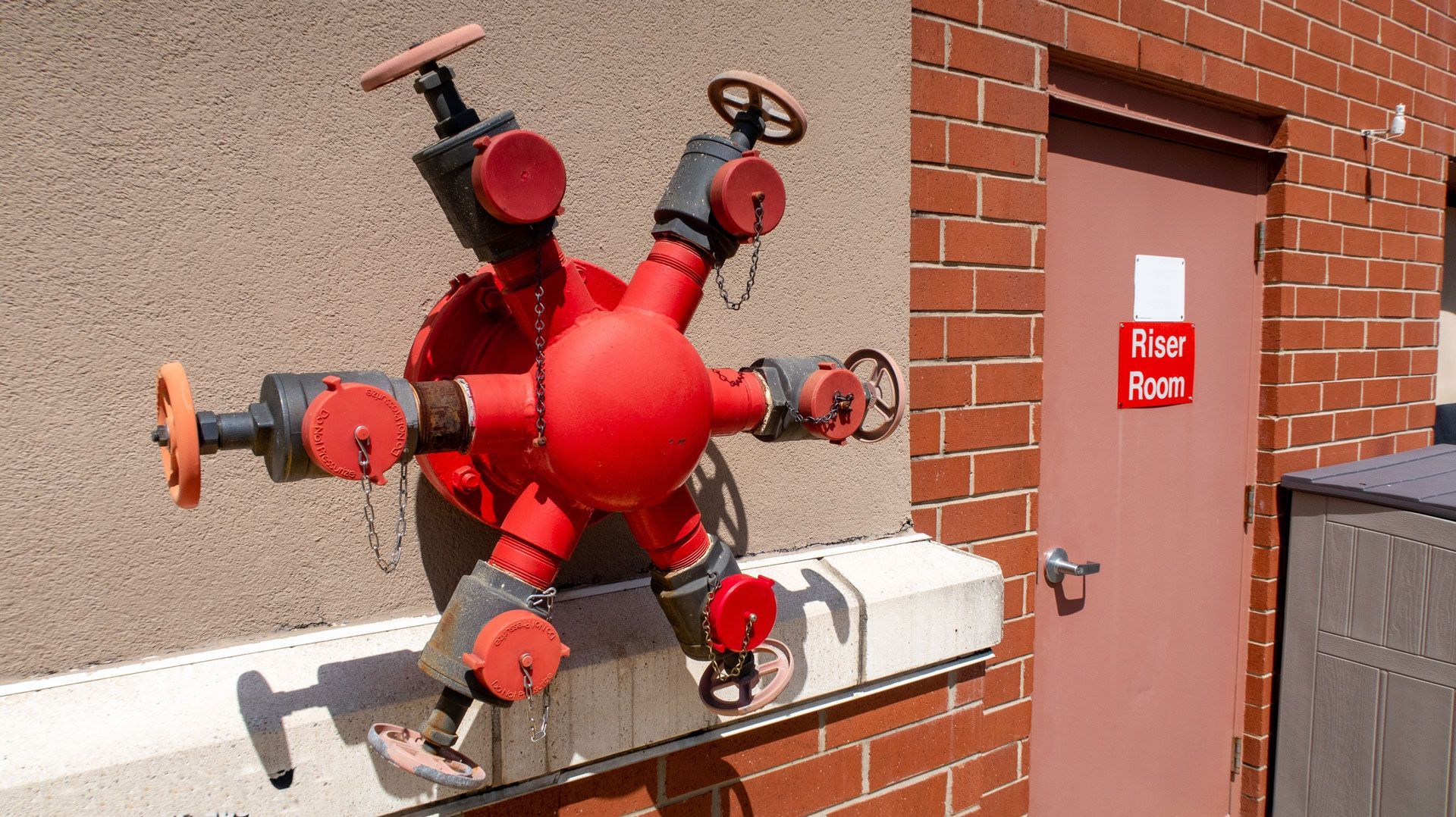
Double Check Valve Assemblies
Double check valve assemblies, including double check detector assemblies, are commonly used on standard fire sprinkler systems that contain no chemical additives.
Reduced Pressure Zone Assemblies
Reduced pressure zone (RPZ) assemblies provide a higher level of protection and are used where the fire system contains antifreeze, foam, or other additives, or where the water provider requires them.
Detector Assemblies
Detector assemblies include a bypass meter that registers small flows, helping water providers identify leaks or unauthorized use of the fire line.
Request Backflow Testing or Repair in Goodyear, AZ from Metro Valley Fire
Annual Backflow Testing Requirements
Backflow assemblies have internal checks, springs, and seals that wear over time, so they must be tested regularly.
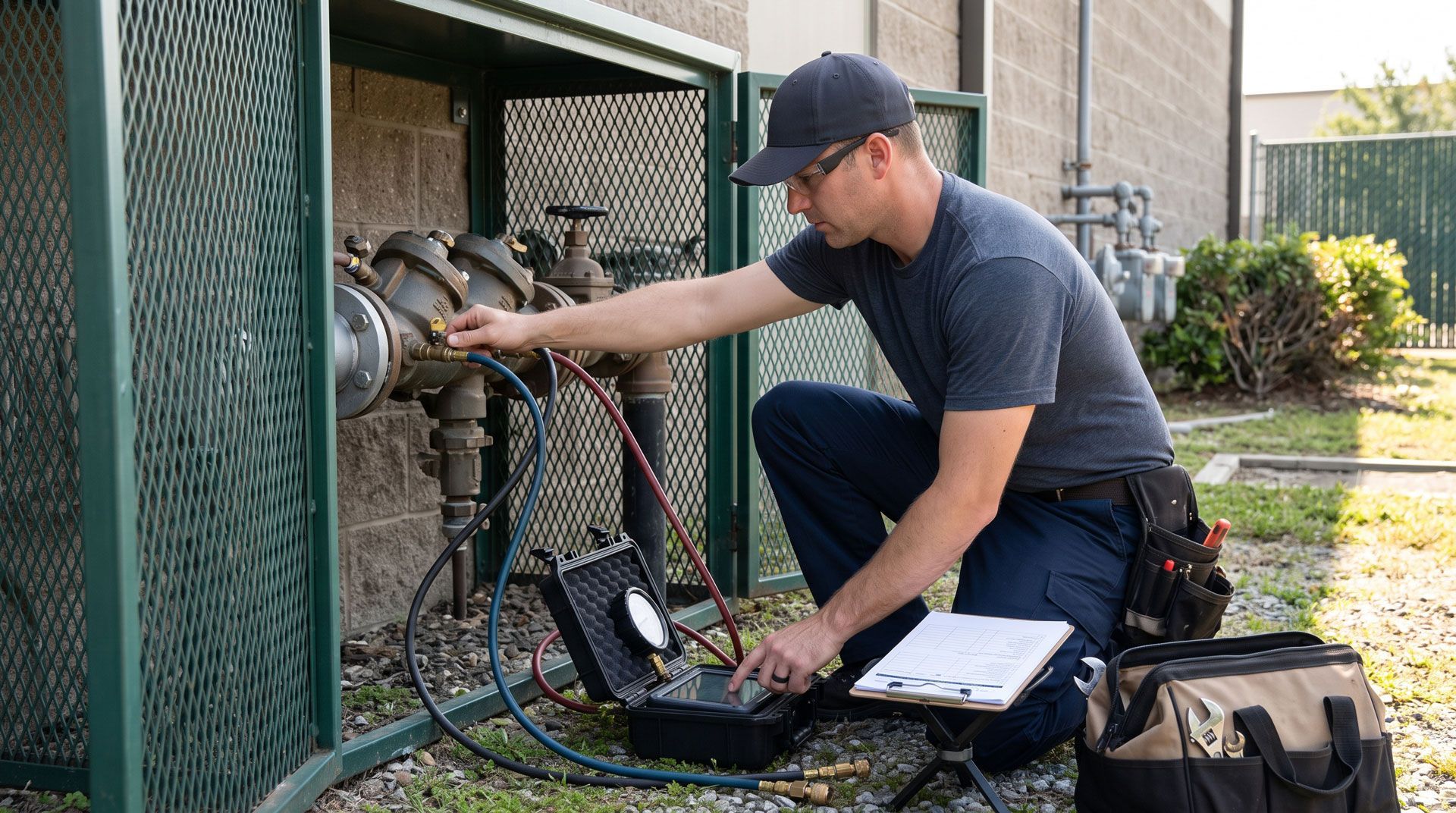
What Happens During a Backflow Test
A certified tester uses a calibrated test kit to verify that each check valve holds tight and that relief valves open at the proper pressure.
Test Reporting
Backflow test results are submitted to the water provider, and a copy is kept for your records and fire inspections.
Coordinating With Sprinkler Inspections
Backflow testing can be scheduled alongside annual sprinkler and fire alarm inspections to reduce disruption.
Failed Backflow Tests
When a backflow assembly fails, repairs must be completed and the device retested before it is returned to compliance.
Backflow Repair, Replacement, and Installation
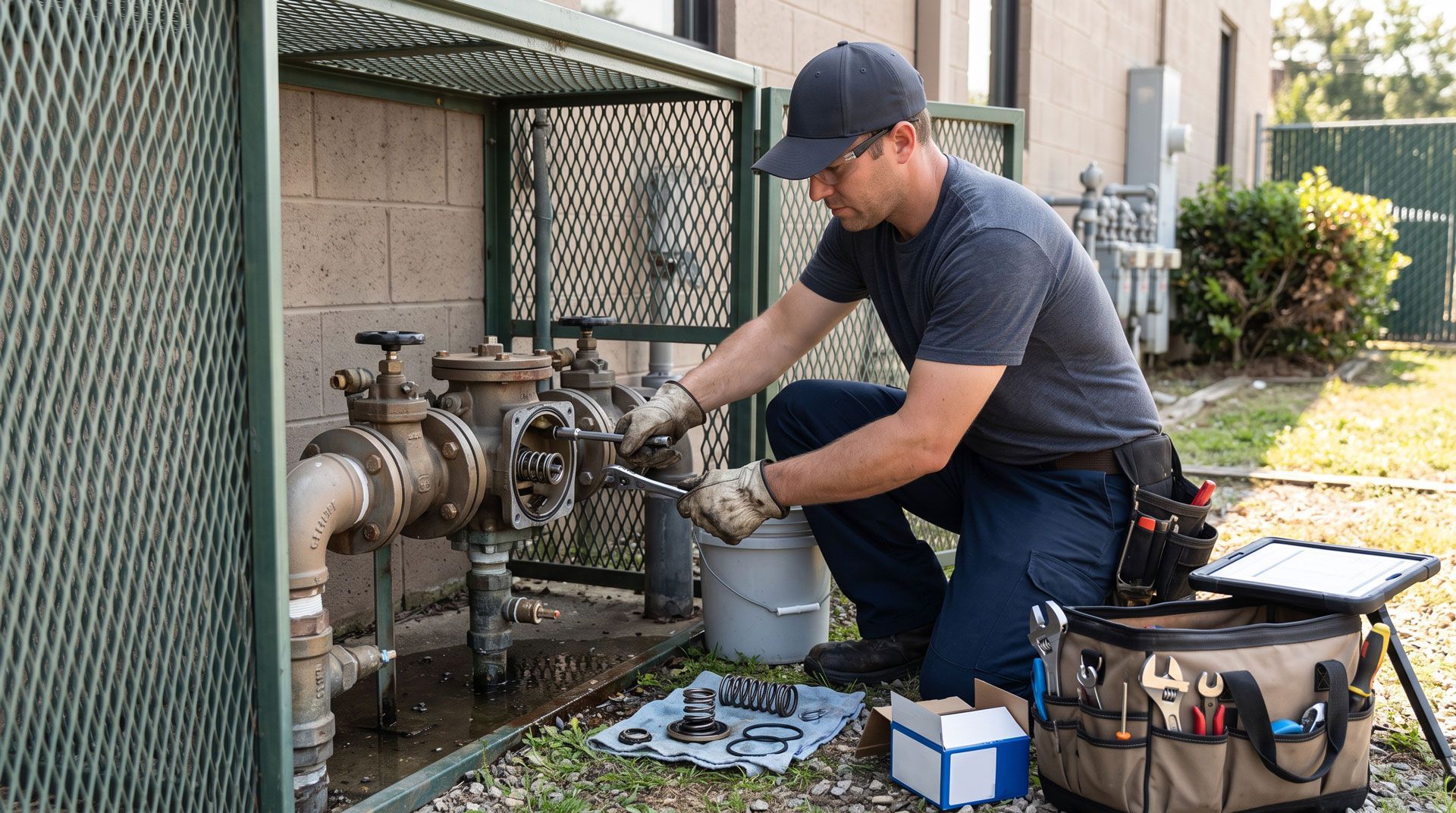
Rebuilding Backflow Assemblies
Worn rubber parts, springs, and check seats can usually be replaced with a repair kit, restoring the backflow preventer without full replacement.
Full Backflow Replacement
Assemblies that are obsolete, severely corroded, or no longer serviceable must be replaced.
New Backflow Installation
New fire service lines and sprinkler systems require backflow assemblies sized to the system's flow demand and approved by the water provider.
Heat, Sun, and Theft Protection
Above-ground backflow assemblies in Goodyear are exposed to extreme sun and heat. Enclosures and security cages protect backflow devices from UV damage, tampering, and brass theft.
Contact Metro Valley Fire for Backflow Service in Goodyear, AZ
Frequently Asked Questions About Backflow in Goodyear, AZ
How often does a fire line backflow need to be tested?
Fire line backflow assemblies are generally required to be tested at least once a year.
What is a backflow preventer?
A backflow preventer is a mechanical assembly that allows water to flow in one direction and stops it from reversing into the public water supply.
Who requires backflow testing?
Water providers enforce backflow testing under state and local rules, and fire inspectors may also request records.
What is the difference between a double check and an RPZ?
A double check uses two check valves. An RPZ adds a relief valve between the checks that discharges water if a check fails, providing a higher level of protection.
Why is my backflow preventer leaking water?
Discharge from an RPZ relief valve often means a check valve is fouled or worn, or there are pressure fluctuations in the supply.
Can a failed backflow be repaired?
Most failures can be repaired by replacing internal parts. The assembly is then retested.
How long does a backflow test take?
Most fire line backflow tests take less than an hour, though water to the fire system is briefly affected.
Is the sprinkler system out of service during backflow testing?
The fire system may be briefly impaired during testing. Monitoring centers and building contacts are notified as required.
How long do backflow preventers last?
With regular testing and repairs, many backflow assemblies remain in service for many years before replacement is needed.
Can a backflow preventer be stolen?
Yes. Brass assemblies are targets for metal theft. Locking enclosures help protect them.
Does a residential fire sprinkler system need a backflow?
Requirements vary by water provider and system design. Many residential sprinkler connections require some form of backflow protection.
